How to Know If Your Brakes Are Worn: Signs, Symptoms & When to ActHow to Know If Your Brakes Are Worn: Signs, Symptoms & When to ActHow to Know If Your Brakes Are Worn: Signs, Symptoms & When to Act
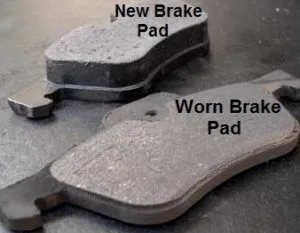

New brake pads (thick friction material) vs. worn pads – a clear visual sign replacement is needed
Your brakes are your vehicle’s most important safety feature. Ignoring warning signs of brake wear can lead to reduced stopping power, longer braking distances, and costly damage. At LMC Complete Automotive, we perform thorough brake inspections and use high-quality parts to keep you safe on the road.
Wondering **when it’s time for brake replacement**? This guide covers the most common signs, sounds, and visual cues—plus when to bring your car in for professional service.
Top Warning Signs of Brake Problems
Pay attention to these common signals:
- Squealing or screeching noise: High-pitched sound when braking (built-in wear indicator scraping the rotor).
- Grinding or growling: Metal-on-metal sound means pads are completely worn—act immediately!
- Vibration or pulsation: Shaking in the brake pedal or steering wheel (often warped rotors from overdue pad replacement).
- Soft or spongy pedal: Pedal sinks to the floor (possible low fluid or leak).
- Vehicle pulls to one side: Uneven braking from worn pads or caliper issues.
- Brake warning light: Illuminated on dashboard (low fluid, worn pads, or system fault).
- Longer stopping distances: Takes more time/effort to stop.
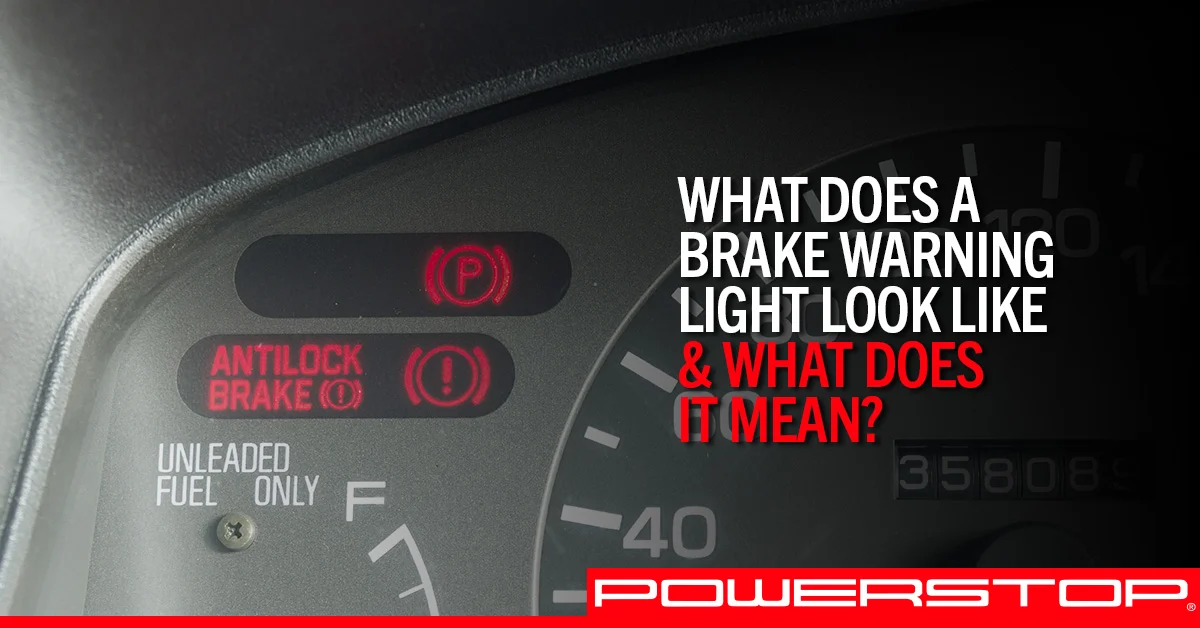

Brake warning light on the dashboard – don’t ignore this important safety signal
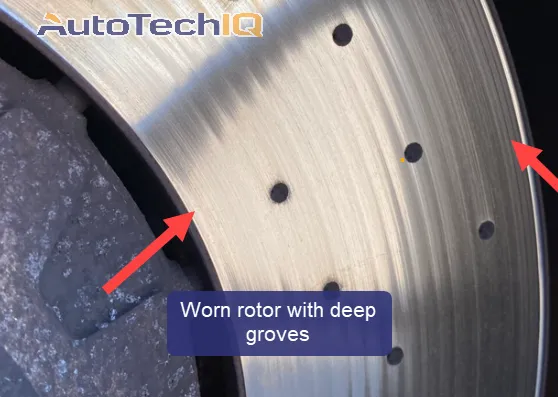

Worn brake rotor showing grooves and damage caused by delayed brake service
Visual Signs Your Brakes Are Failing
Look through your wheel spokes or have a professional inspect:
- Brake pads thinner than ¼ inch (about 6mm)
- Uneven pad wear
- Deep grooves or scoring on rotors
- Cracks, glazing, or bluing on rotors (overheating)
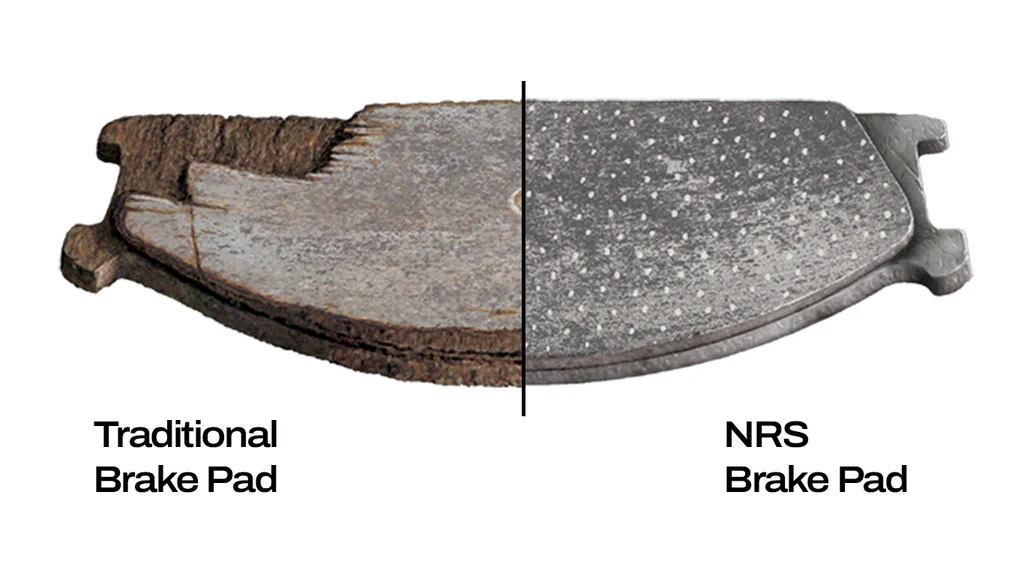

Visual comparison: Healthy new brake pads vs. dangerously thin worn pads
How Long Do Brakes Typically Last?
Brake life varies by driving habits, vehicle, and conditions:
- Average: 30,000–70,000 miles
- City driving/aggressive braking: Sooner
- Highway driving: Longer
Have your brakes inspected annually or every 12,000 miles.
Professional Brake Service at LMC Complete Automotive
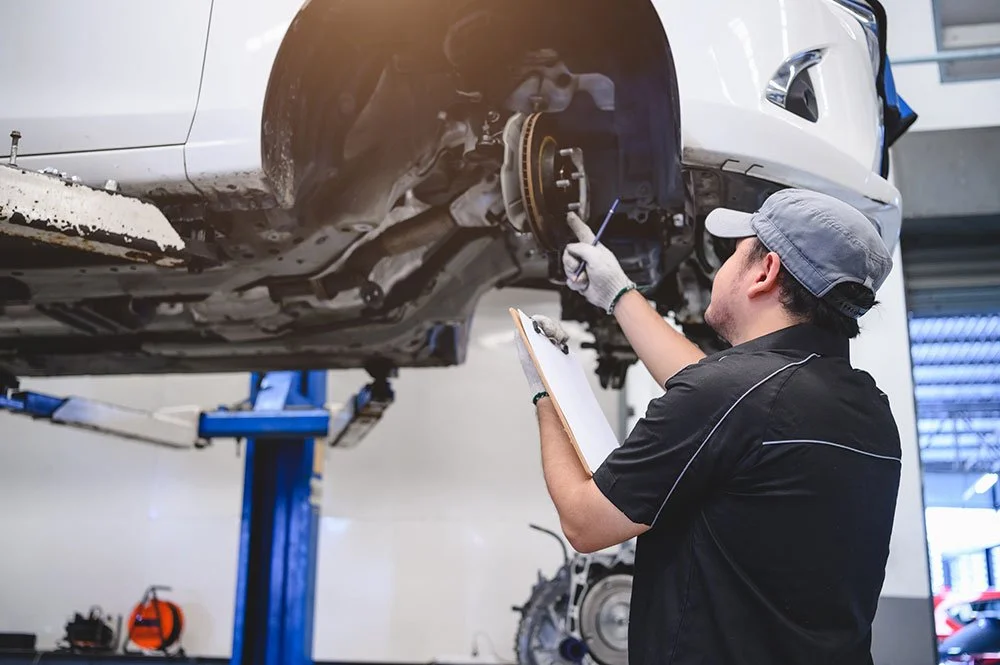

Expert brake inspection using precise measurements and diagnostics
We provide complete brake care:
- Free brake inspections
- Quality pads and rotors
- Rotor resurfacing or replacement
- Brake fluid flush
- Caliper and hardware service
- Road test verification
Conclusion: Respond Quickly to Brake Issues
Brakes don’t usually fail suddenly—they give plenty of warnings. Addressing worn brake issues early saves money, prevents damage, and keeps you safe.
Hearing noises or feeling vibrations? Schedule a brake inspection today.
Visit our scheduling page or contact LMC Complete Automotive for expert brake service you can trust.
Updated December 2025 with current brake safety guidelines.
For more brake maintenance tips, see AAA’s guide to brake warning signs.