How to Jump Start a Car Safely: Step-by-Step Guide & When to Call for Help

Proper jumper cable connection order to safely jump start a dead battery
A dead battery can leave you stranded, but knowing **how to jump start a car** safely can get you back on the road quickly. While jumping is a useful skill, it’s not always the solution—and doing it wrong can cause damage or injury. At LMC Complete Automotive, we offer fast roadside **jump start service** and full battery testing/replacement to address the root cause.
Whether you’re dealing with a **dead car battery** or searching for **jump start near me**, this guide covers safe steps, common mistakes, and when to call professionals.
Signs You Have a Dead Battery (and Jump Start May Help)
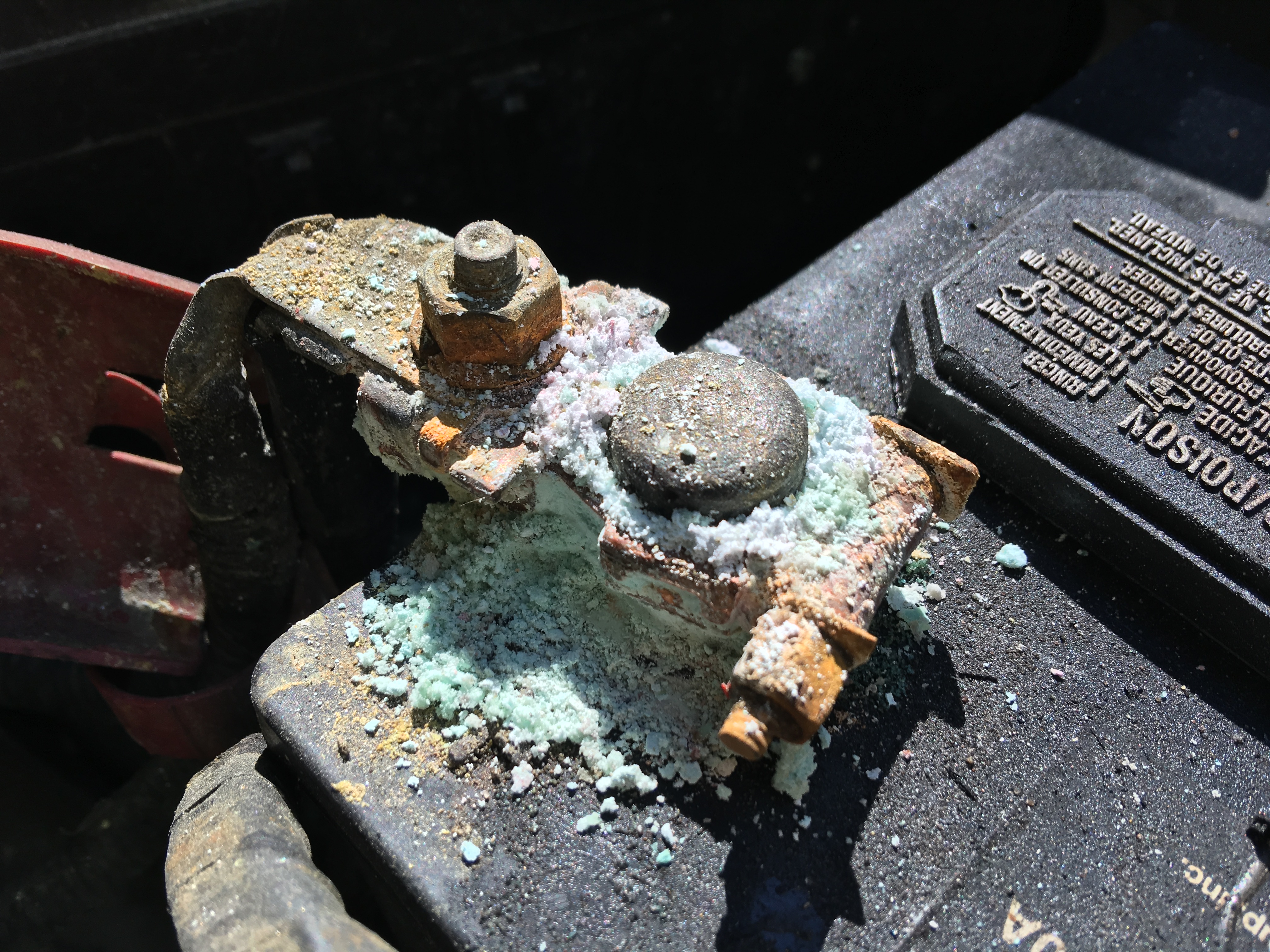
Corrosion on battery terminals often leads to no-start conditions
- Clicking sound when turning key (or nothing at all)
- Dim or flickering lights
- Electronics slow or unresponsive
- Car was fine when parked but won’t start later
If the car died while driving, it’s likely not the battery—tow it for diagnosis.
What You’ll Need to Jump Start a Car
- Good quality jumper cables (thick gauge for better power transfer)
- Gloves and safety glasses
- A running donor vehicle with good battery
- Optional: Portable jump starter pack (safer alternative)
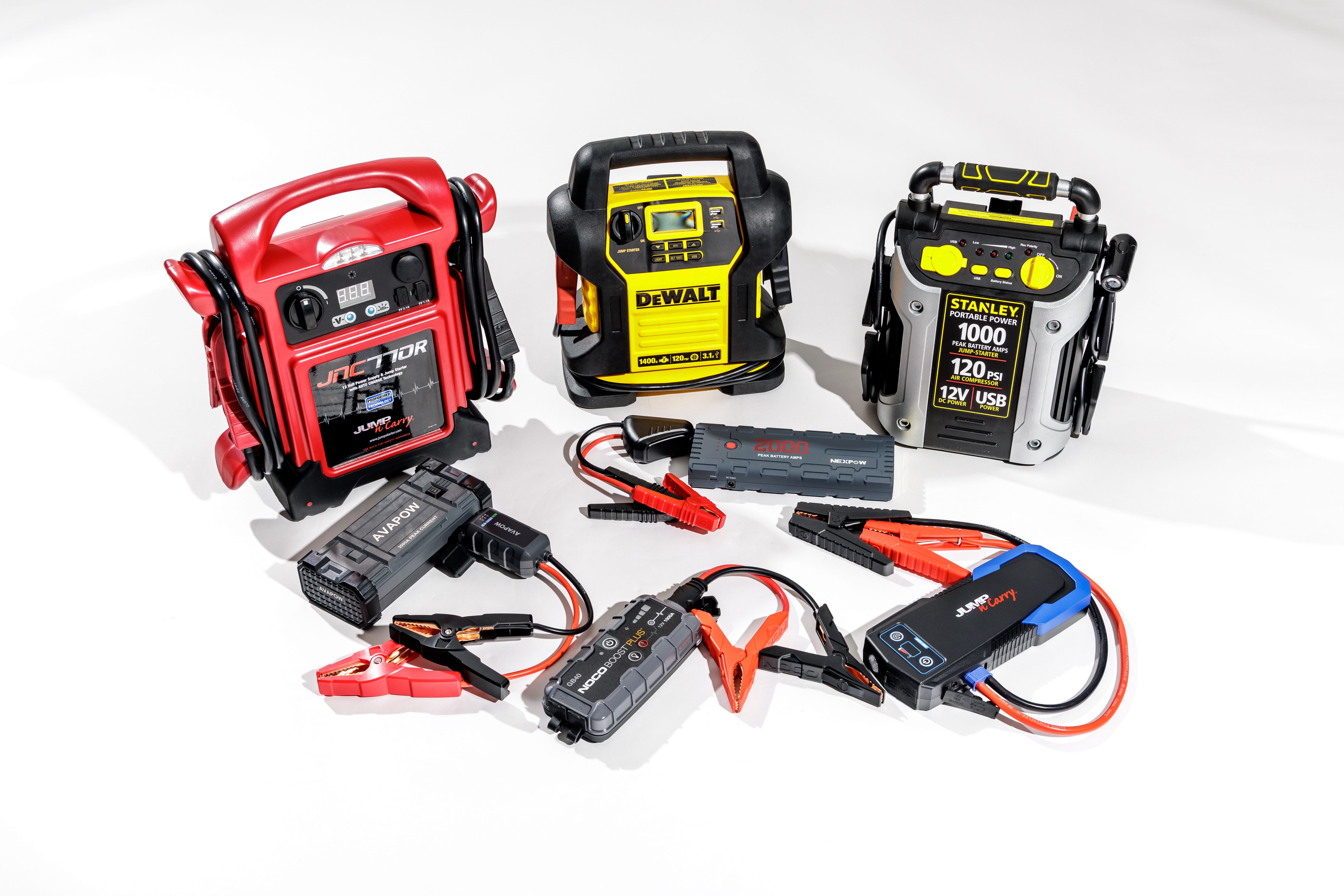
Modern portable jump starters are compact and eliminate the need for a donor car
Safe Step-by-Step: How to Jump Start a Car
Always follow the correct order to avoid sparks or damage
- Park safely: Position vehicles nose-to-nose (not touching), turn off both engines, engage parking brakes.
- Put on safety gear: Gloves and glasses protect against sparks/acid.
- Connect cables:
- Red (+) to dead battery positive
- Red (+) to donor battery positive
- Black (-) to donor battery negative
- Black (-) to unpainted metal on dead car’s engine block (ground)
- Start donor car: Let it run 2-3 minutes.
- Start dead car: If it cranks but doesn’t start, wait longer or check connections.
- Disconnect in reverse:
- Black (-) from ground
- Black (-) from donor negative
- Red (+) from donor positive
- Red (+) from dead battery positive
- Drive 30+ minutes: To recharge the battery.
Common Mistakes & Safety Warnings
- Never let cable ends touch (causes sparks)
- Don’t connect negative to dead battery (explosion risk)
- Avoid jumping frozen or leaking batteries
- Don’t jump if you smell fuel or see damage
When to Call Professional Jump Start Service

Call the pros for safe, no-hassle jump starts and battery testing
- You’re unsure or uncomfortable
- No donor vehicle available
- Jump doesn’t work (battery likely needs replacement)
- Hybrid/EV vehicle (special procedures)
LMC Complete Automotive offers fast roadside assistance, jump starts, and free battery testing.
Prevent Dead Batteries
- Test battery annually (especially over 3 years old)
- Clean terminals
- Turn off lights/accessories
- Drive regularly or use maintainer
Conclusion: Jump Smart, Stay Safe
Knowing **how to jump start a car** is valuable, but a successful jump is often just the start—get your battery and charging system tested to prevent repeats.
Stranded with a dead battery? Contact LMC Complete Automotive for reliable jump start service and solutions.
Visit our scheduling page or call us today.
Updated December 2025 with latest safety guidelines.
For visual demonstrations, check Edmunds’ jump start guide.